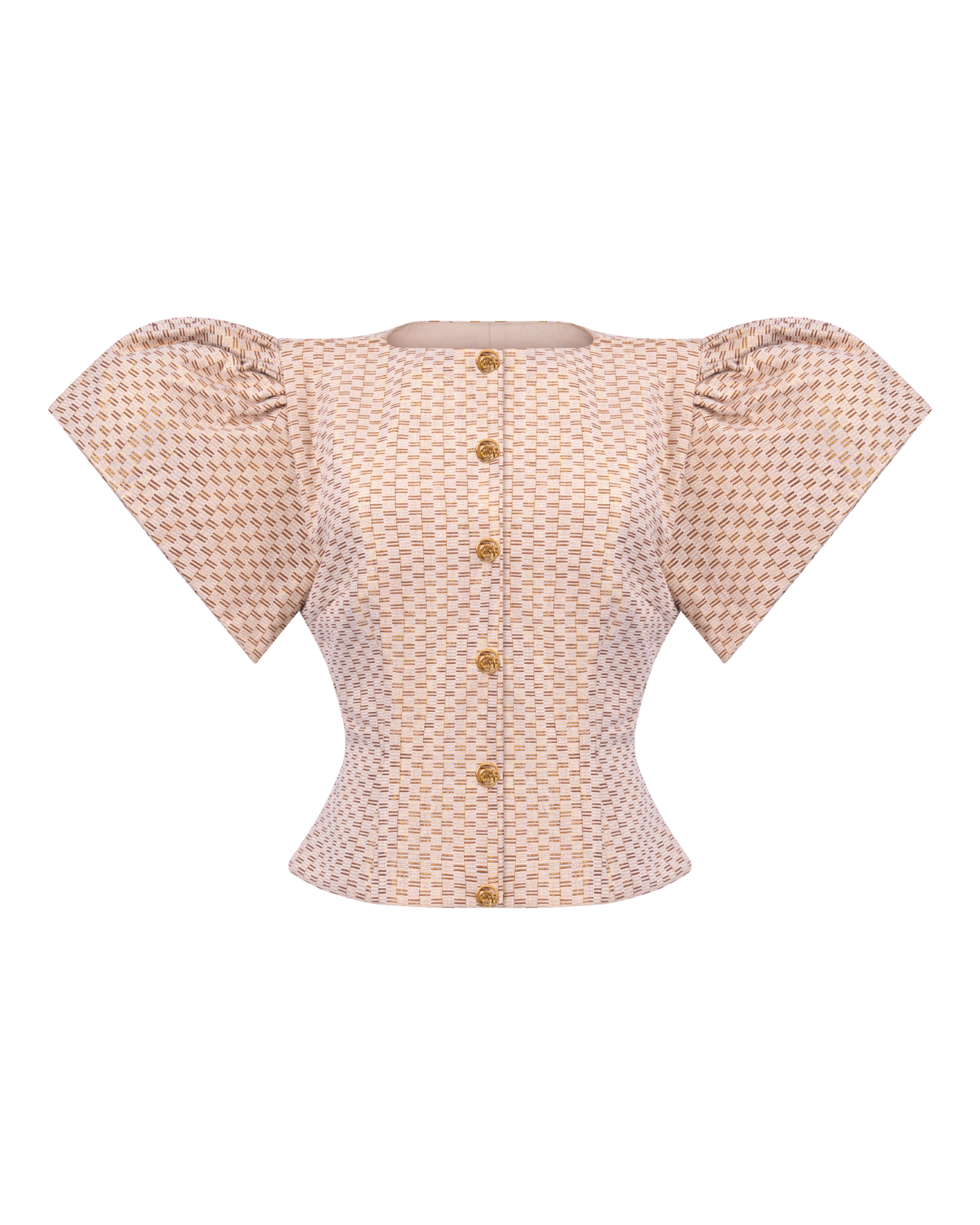
We know. You know. Drink more water. Eight glasses. Two litres. The advice has been the same since before either of us were paying attention. And it is still correct, and still boring.
What nobody talks about enough is that hydration is also culture. The drinks that have kept West African women cool and glowing through humid Lagos summers, through Accra heat, through the kind of August that makes you wonder why you live somewhere with weather — those drinks existed long before wellness became an aesthetic. They were practical. They worked. They still do.
This is not a medical guide. It is a summer ritual guide — five drinks, rooted in real tradition, that make the business of staying hydrated feel like something you want to do rather than something you are supposed to.
Shop the full summer edit → kilentar.com
Zobo.
HIBISCUS · TART, FLORAL, DEEPLY WEST AFRICAN · SERVED COLD

Zobo is what Nigeria does instead of iced tea, and Nigeria is right. Made from dried hibiscus petals - called zobo leaves, sourced from the roselle plant - it is the drink that appears at every Nigerian celebration, every family gathering, every table that takes summer seriously. Tart. Floral. That specific shade of deep red that photographs beautifully without any effort.
Hibiscus is rich in vitamin C and antioxidants, supports blood pressure and is naturally caffeine-free. In Senegal they call it bissap. In West Africa broadly it is everywhere. In wellness circles it is being newly discovered. The rest of us have known about it for generations.
HOW TO MAKE IT
Boil dried hibiscus petals with fresh ginger and cloves for 15–20 minutes until the water turns the deep red it is supposed to be. Add pineapple chunks or orange peel while it cools - this is where the sweetness comes from, not sugar. Strain. Refrigerate. Serve over ice with a slice of citrus. Make a big batch on Sunday and drink it all week.
Coconut Water.
NATURAL ELECTROLYTES · SWEET, CLEAN, REPLENISHING

The green coconut — cracked open at the roadside, a straw inserted, drunk in the heat — is one of the most enduring images of West African life in summer. Not because it became a wellness trend (it did, later) but because it works. Coconut water contains electrolytes, potassium, natural sugars and minerals that replenish what sweat takes. It is the original sports drink, and it predates every bottle with a performance graphic on it by several centuries.
Fresh from the coconut is always best. If you cannot find green coconuts, the bottled version is a reasonable second — read the label. The ingredients should be one thing: coconut water.
MAKE IT INTERESTING
Pour fresh coconut water over ice. Add a squeeze of lime and a few mint leaves. Or blend with pineapple and fresh ginger for something closer to a meal. Drink immediately - it oxidises quickly and the flavour changes within hours of opening.
The drinks that have kept West African women hydrated through August for generations were not waiting to be discovered. They were always there.
Watermelon Water.
LYCOPENE-RICH · NATURALLY SWEET · MAKE IT OR BUY IT

Ninety-two percent water. The number is correct and the implication is clear — when you eat watermelon, you are mostly drinking. The fruit that appears at every summer gathering in West Africa, cut into wedges and passed around and finished before anyone has had a chance to sit down — it is not just a snack. It is hydration in solid form, loaded with lycopene, vitamins A and C, and the specific satisfaction of eating something cold when it is hot outside.
WATERMELON AGUA FRESCA
Blend cubed seedless watermelon, strain through a fine mesh or muslin cloth, pour over ice with a squeeze of lime and fresh mint. Serve immediately — it separates as it sits so stir before drinking. Add cucumber and basil for something more complex, or a small piece of fresh jalapeño for heat. Both work.
The Green Smoothie.
FRUIT-FORWARD · SPINACH OR KALE · DRINKABLE, NOT MEDICINAL

The green smoothie has a reputation problem — too many people have made the version that tastes like effort rather than pleasure. This is a ratio problem, not a smoothie problem. Fruit should lead. Greens should follow. The blender should not be able to tell you what is green in there once it is running.
In West Africa the answer is almost always mango. Or pineapple. Or papaya. Start there and the spinach becomes invisible in the best possible sense.
THE RATIO THAT WORKS
One large ripe mango, a large handful of baby spinach, one cup of coconut water, a thumb of fresh ginger, squeeze of lime. Blend until completely smooth. If it still tastes green rather than fruity, add more mango. That is the whole secret. Add peanut butter or oats if you want it to carry you through to lunch.
Moringa Water.
THE ONE YOUR GRANDMOTHER KNEW ABOUT FIRST

Moringa — the drumstick tree, Moringa oleifera — has been growing across Nigeria, Ghana and East Africa for as long as anyone can record. The leaves, dried and powdered, have been used in West African cooking and medicine for generations. Western wellness discovered it about ten years ago and called it a superfood. Nigerian grandmothers called it dinner.
Moringa powder added to water is mild, slightly earthy, and contains iron, calcium, vitamins A, C and E, and protein. Start with half a teaspoon and build from there.
HOW TO DRINK IT
Half a teaspoon of moringa powder dissolved in a glass of water, a squeeze of lemon, a small spoon of raw honey. Stir well. Drink in the morning before food. Or make moringa lemonade: lemon, honey, moringa, poured over ice. The citrus complements the earthiness and makes it something you drink because you want to.
A NOTE ON SUMMER AND THE BODY
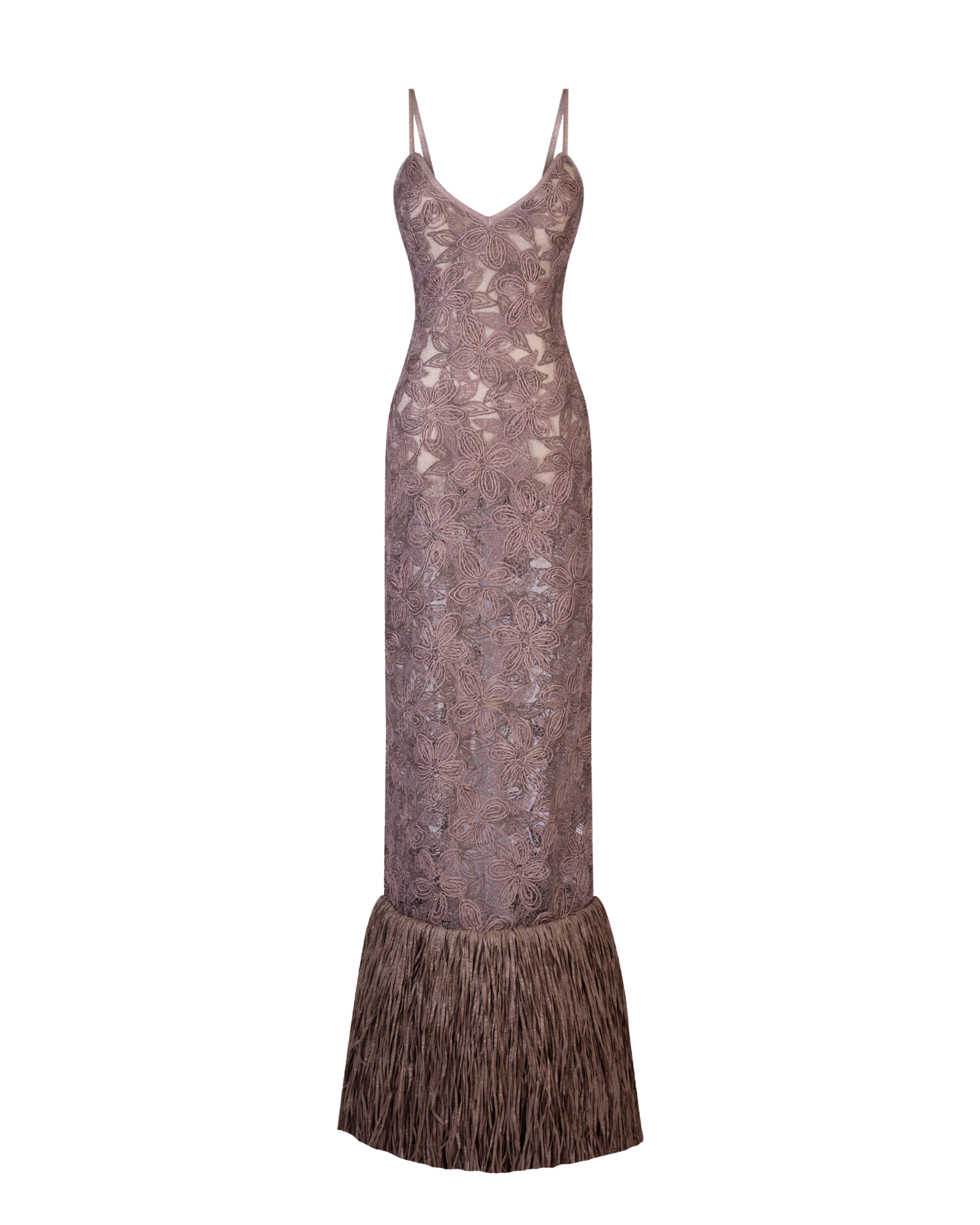
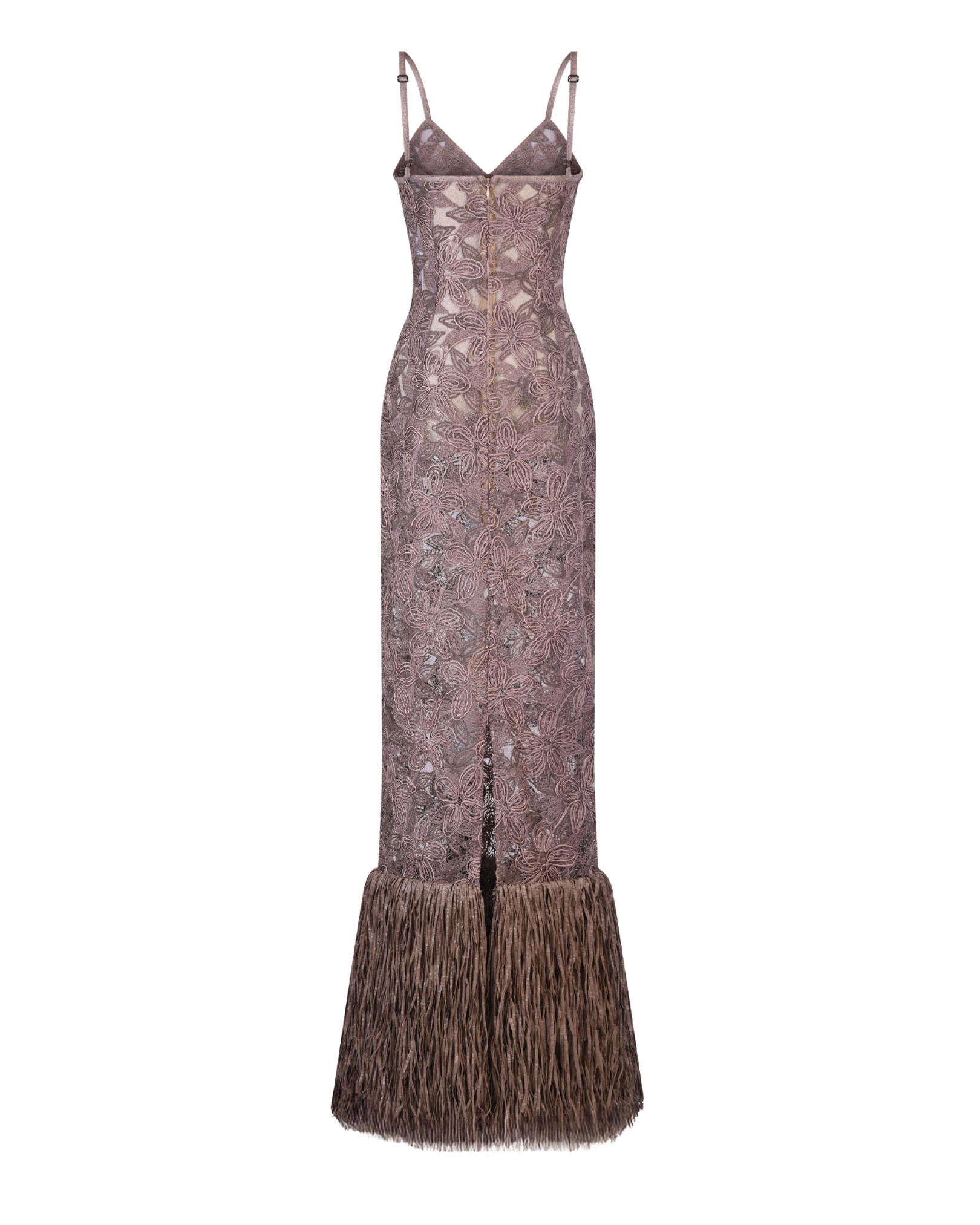
You cannot wear the Mami Dress if you are dehydrated.
That is not medical advice. It is an observation. The iridescence of the Mami Dress — the watercolour print, the way the beadwork catches light differently at every angle — responds to the woman wearing it. And the woman wearing it responds to what she has been putting into her body all week.
Kílẹ̀ńtàr is not a clothing brand. It is a point of view about how a woman moves through the world - with intention, with cultural depth, with the understanding that everything worth having takes care and attention. That includes the body. That includes August. Start with zobo on Sunday and see what the week produces.
Stay Hydrated. Wear something extraordinary.
A NOTE ON SIZING
Every Kílẹ̀ńtàr piece is made for women in Sizes UK 4–24 / US 0–20. Each product page at kilentar.com carries a detailed size guide. If you are unsure, our team is available to help you choose. We would rather spend five minutes getting it right than have you guessing. Especially on a day this significant.