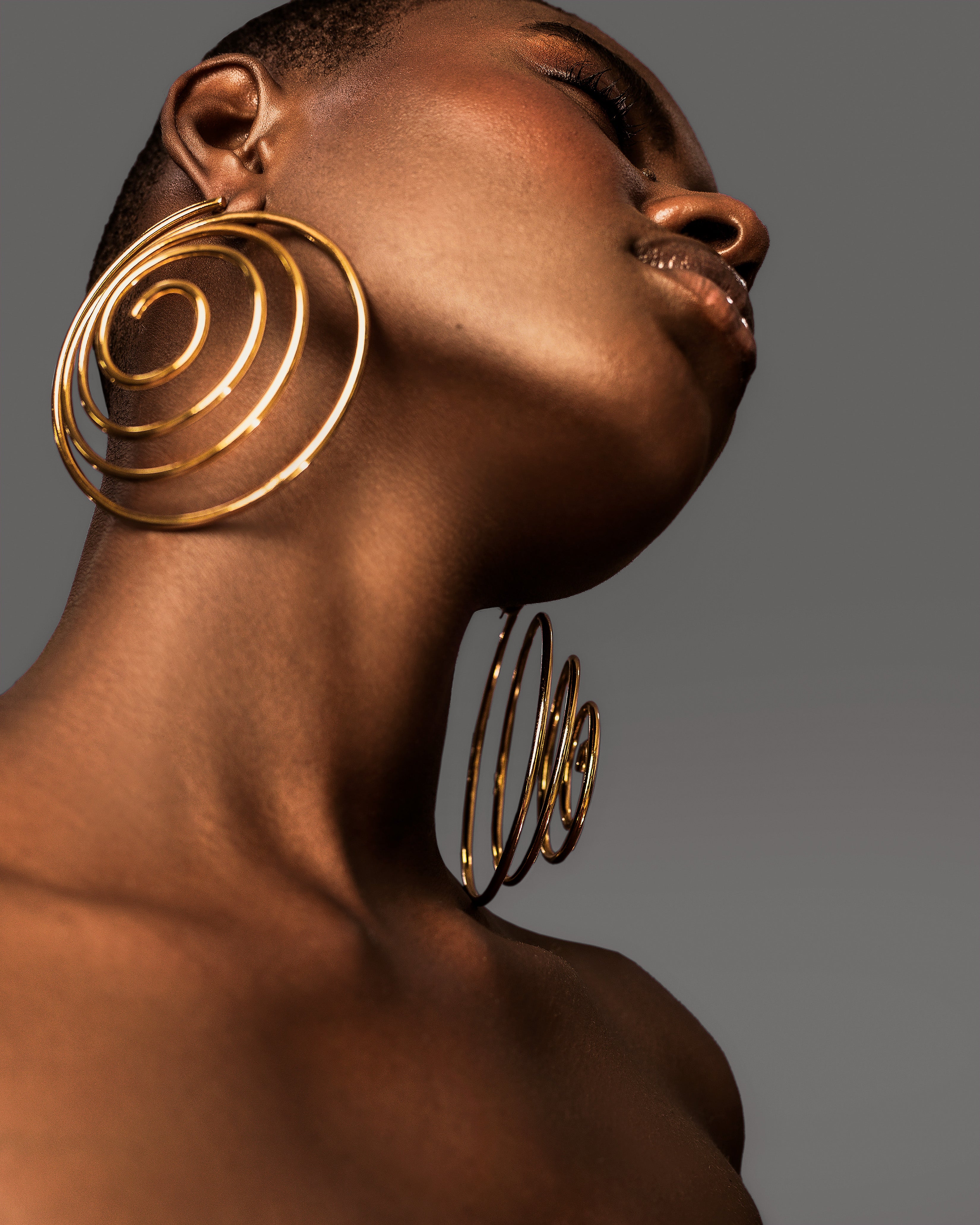
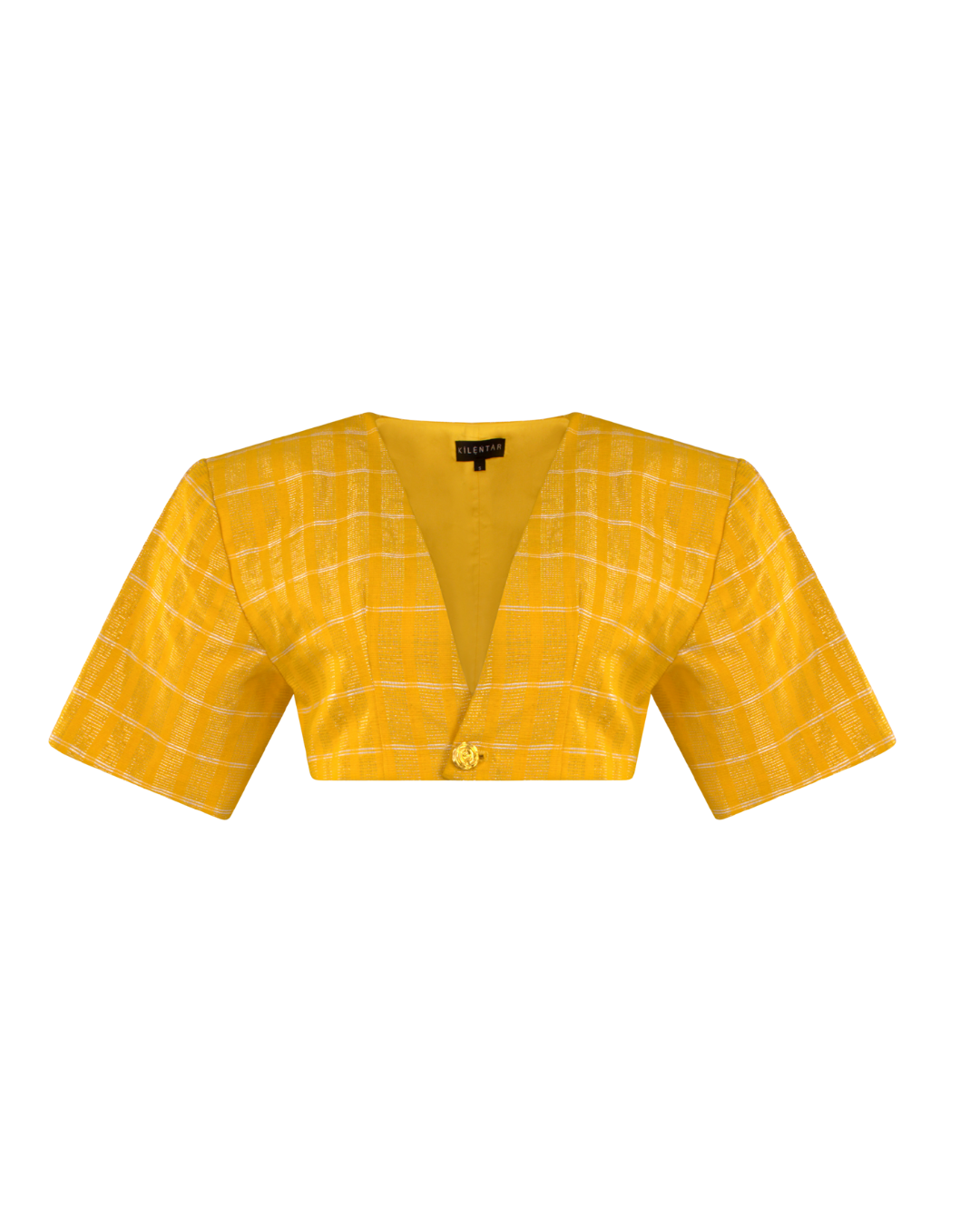
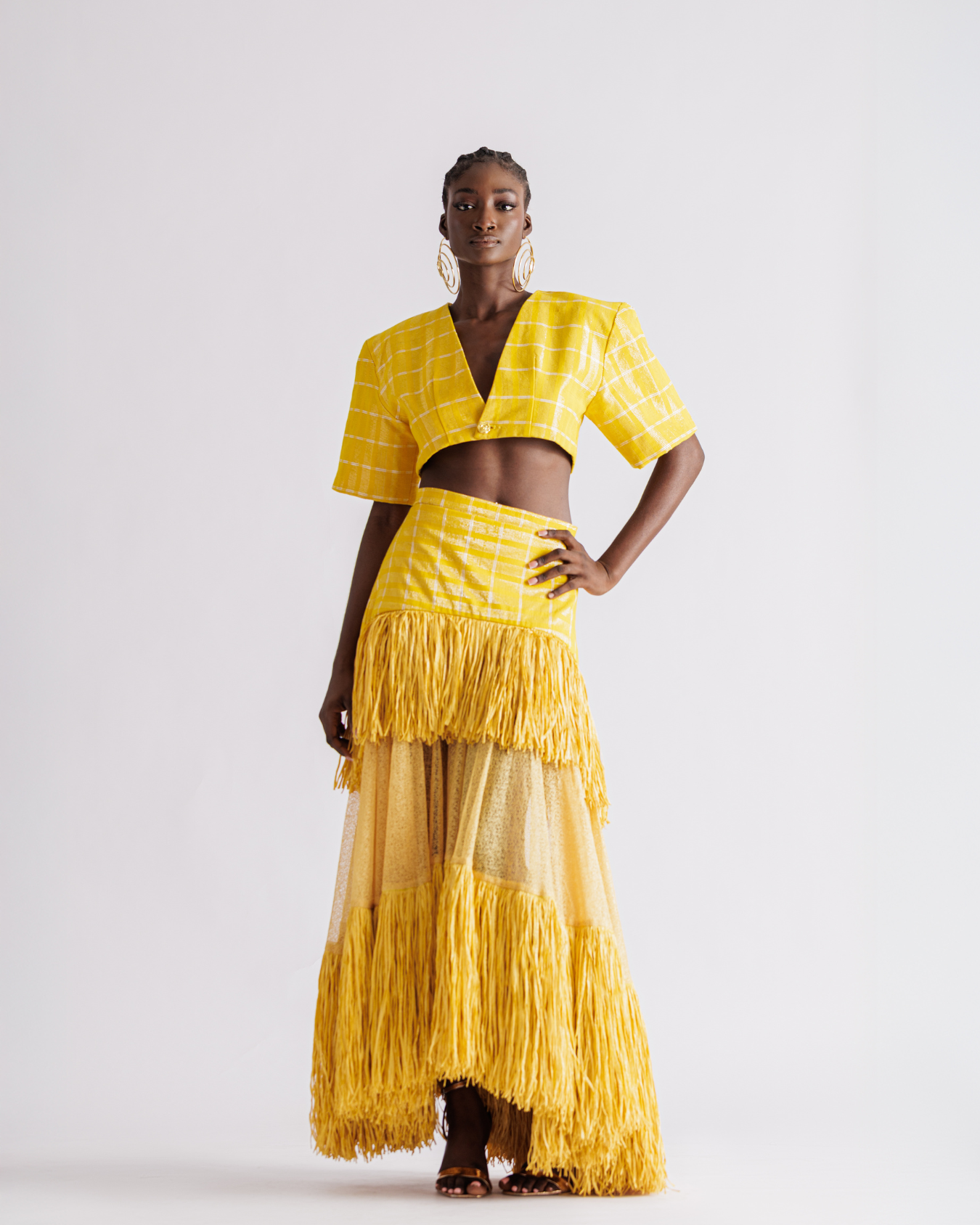
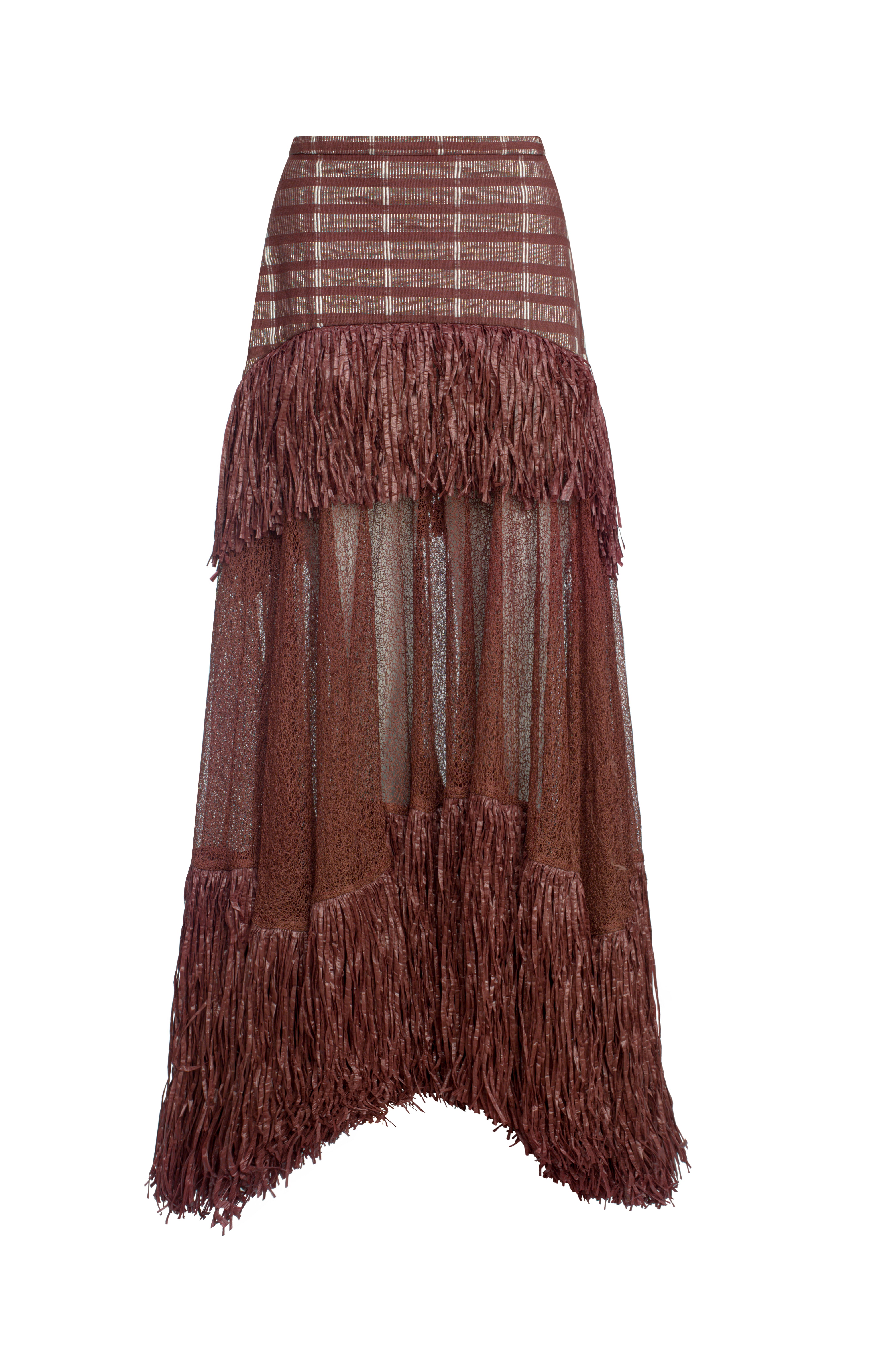
How a length of cloth packed by hand in Lagos ended up in front of the most powerful woman in fashion, at the M7 exhibition and Fashion Trust Arabia in Doha.
Some flights feel longer than they are, because of what waits on the other end. This one carried me from Lagos to Doha with a suitcase of handwoven cloth and a quiet disbelief in my chest. We were bringing Kíléntár to the world stage.
I travelled as part of the Style House Files delegation, led by the formidable Omoyemi Akerele, whose work has done more to move African design onto the global calendar than almost anyone alive. The destination was M7, Qatar's hub for fashion, design and innovation in Msheireb Downtown Doha, and the occasion was Fashion Trust Arabia, one of the most consequential platforms in global luxury today. There is a specific pride that only arrives when your culture stands in a room it was once kept out of, holding its own without apology. This is the story of the days Kíléntár spent in Doha, and the afternoon I shook the hand of the most powerful woman in fashion.
SECTION ONE · THE CLOTH ON THE FLOOR
What a loom says out loud.
M7 has an energy difficult to overstate: a space built for the future of the industry, all clean architecture and considered light, and during Fashion Trust Arabia it fills with the electricity of a room where careers turn.
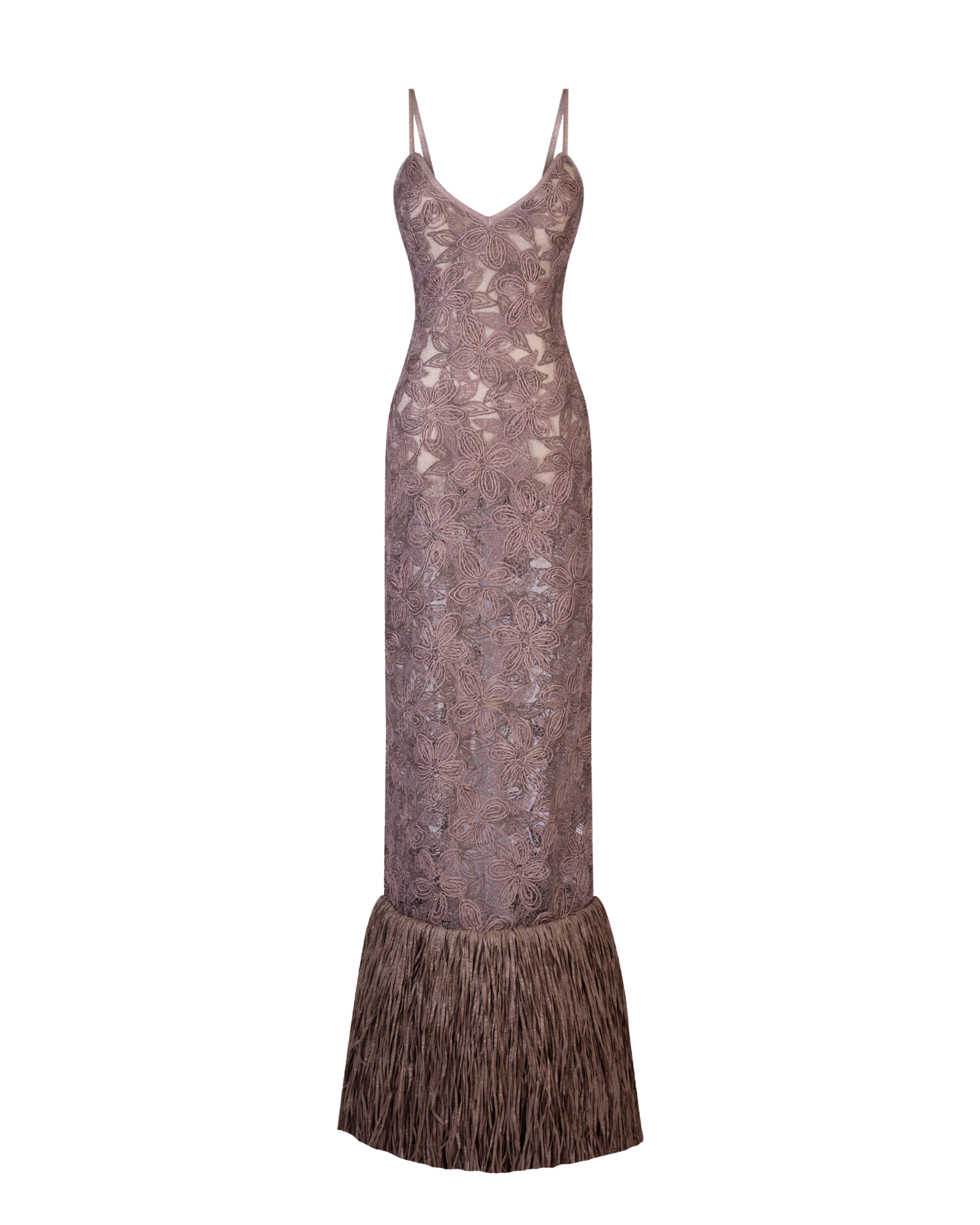
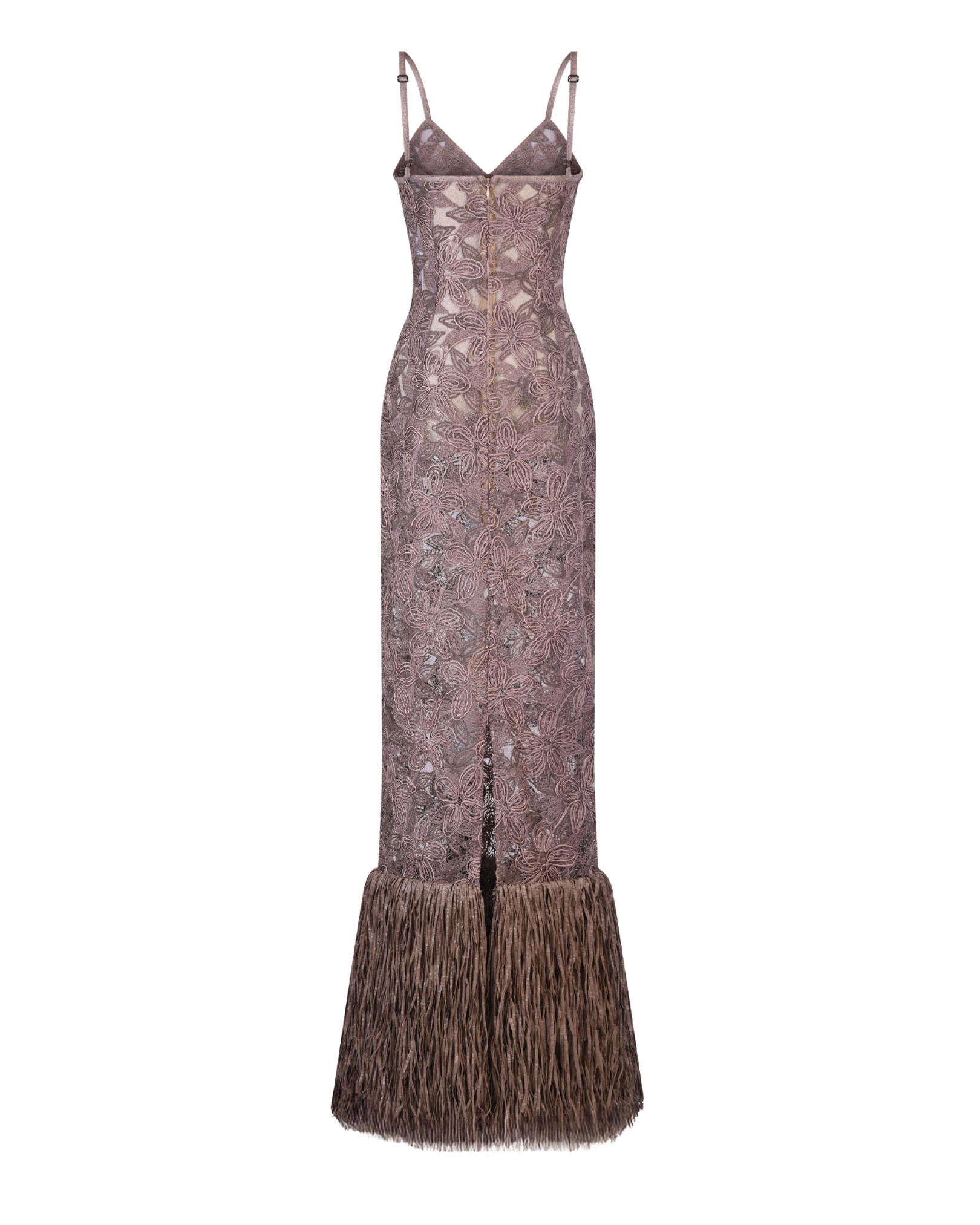
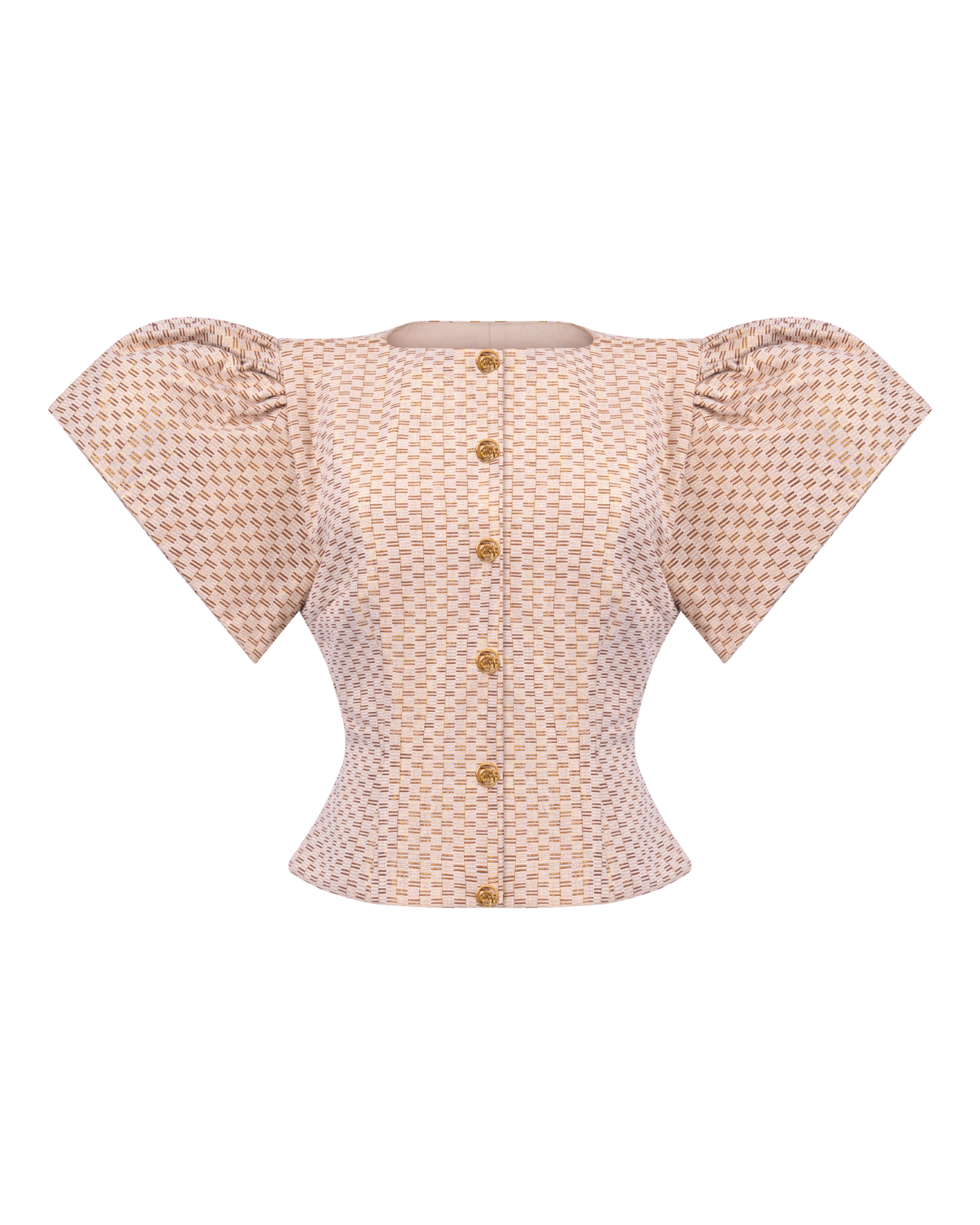
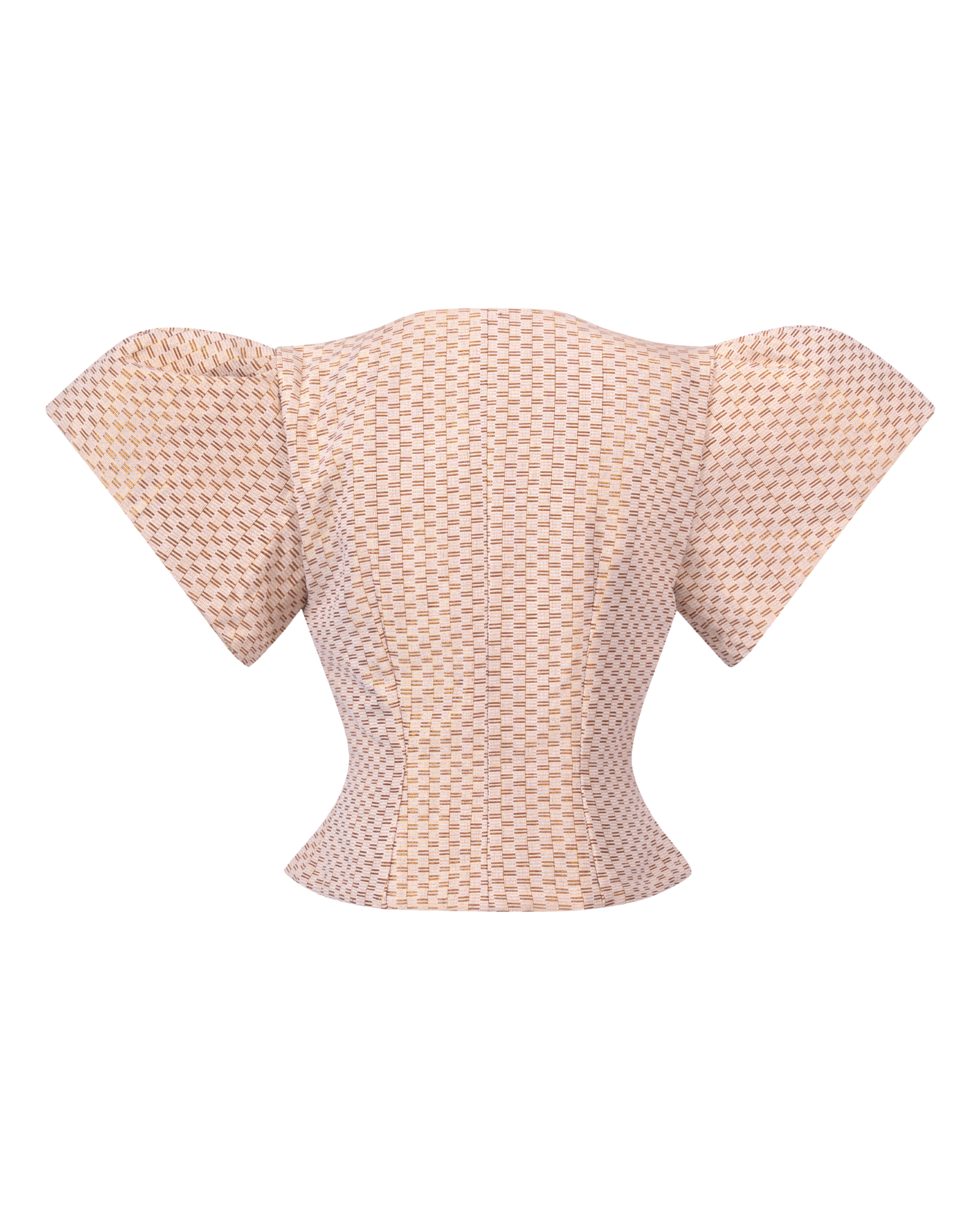
Curators, buyers, editors and collectors move through it with intent, and into that room we brought Kíléntár, contemporary African craftsmanship in its truest form: handwoven textiles on traditional looms, hand-worked raffia, adire and shibori dyeing that takes hours to build a single piece, beadwork applied one bead at a time.
On an international floor crowded with polish, that authenticity became our loudest signal. People did not drift past; they stopped, leaned in, and reached out to touch, because handwoven cloth carries a weight the eye recognises instantly. They registered the cultural identity woven into every piece not as decoration but as language, and in Doha those stories translated without friction. Contemporary African design did not need to explain itself down to be understood in one of the world's most sophisticated fashion capitals. It simply needed to be seen up close.
We did not come to be discovered. We came to be seen, by a room that knows precisely what it is looking at.

SECTION TWO · THE MOMENT
And then she reached out to touch it.
Which brings me back to the cloth I packed by hand in Lagos. Because the person who reached out to touch it was Anna Wintour. She stopped at the Kíléntár pieces, she engaged, and she took my hand, and I held my composure while every part of me understood exactly whose presence I was standing in.
What has stayed with me is that her interest was not a courtesy. It was specific. She said she was intrigued by the craftsmanship, the woven pieces especially, and she wanted to understand the technique behind them, the how and not only the what. For a house built entirely on handwork, there is no more affirming question in the world.
Think about what that means for a second. The woman who has shaped global fashion for decades looked closely at Nigerian weaving, at cloth made on a loom by hands that learned the craft generations ago, and found it compelling enough to ask how. That is not politeness. That is attention, and from her, attention is currency. I met Zandy Forbes in the same stretch, warm and generous about the work, and across the floor I caught sight of Jonathan Anderson, one of the most influential designers alive, moving through the very rooms we had been welcomed into. For an independent African house from Lagos to be standing in that company, on equal footing, is the whole story of where this industry is going, told in a single afternoon.
She did not ask where we were from. She asked how it was made. For a house built on handwork, that is the only question that has ever mattered.

SECTION THREE · WHAT COMES NEXT
The looms are still running.
I keep coming back to that question of hers, because it settled something for Kíléntár. We did not soften the craft to make it travel. We brought it whole, handwoven and hand-dyed, finished with techniques carried across generations, rooted in Yoruba and West African tradition, and it did not just survive the world's most demanding room. It commanded it. That is the thing we carried home, heavier than anything in the suitcase: the certainty that our work belongs on any stage, not as a curiosity to be discovered but as a peer to the most established names in luxury.
So what happens next. Doha was not a finish line for Kíléntár; it was a door, and now it is open. The same looms that made the cloth Anna Wintour reached out to touch are still running in Lagos this morning, and the hands working them already know something they did not fully know before we left: the world is not only ready for what they make, it is leaning in to ask how.
African fashion is not arriving. It has arrived, and the global stage is rearranging itself to make room. We intend to take up every inch of it.
"They stopped asking where we were from. They started asking how it was made. That is the whole shift, in one question." Kíléntár · from the Doha journal
The Pieces That Travelled to Doha.
Shop the collection Anna Wintour stopped for.


DOHA, M7 & FASHION TRUST ARABIA, EXPLAINED
What is the M7 exhibition in Doha?
M7 is Qatar's leading hub for fashion, design and innovation, located in Msheireb Downtown Doha. It hosts exhibitions and showcases bringing together international designers, curators, buyers and editors, and serves as a key venue in the Fashion Trust Arabia programme, positioning both regional and global design on a world stage.
What is Fashion Trust Arabia?
Fashion Trust Arabia is a Qatar-based non-profit and one of the most influential platforms in global fashion, supporting designers through funding, mentorship and international exposure. Its events draw the industry's most senior decision-makers, making it a significant stage for emerging and established labels, including designers from Africa and the diaspora.
How does Style House Files support designers?
Style House Files, founded by Omoyemi Akerele, is a Lagos-based fashion development agency behind Lagos Fashion Week. It champions African designers by building platforms, industry connections and international opportunities, including delegations to global events like the M7 exhibition and Fashion Trust Arabia in Doha.
What did Kíléntár present in Doha?
Kíléntár showcased contemporary African craftsmanship: handwoven textiles made on traditional looms, hand-worked raffia, adire and shibori hand-dyeing, and intricate beadwork, demonstrating how heritage technique and cultural identity translate into luxury design that holds its own internationally.
They stopped asking where we were from. They started asking how it was made. That is the whole shift, in one question.
A NOTE ON SIZING
Every Kílẹ̀ńtàr piece is made for women in sizes UK 4–24 / US 0–20. Each product page at kilentar.com carries a detailed size guide. If you are unsure, our team is available to help you choose , we would rather spend five minutes getting it right than have you guessing on a day this significant.