Let us be honest about what has been happening every summer. You buy something in April. It looks incredible on the hanger. You wear it twice, wash it once, and by July it looks like it has been through something. By September it is in a bag going to the charity shop. By the following April, you do it again.
It is not a lack of taste. It is a lack of time - time built into the pieces themselves. The dress that is going to last a decade looks different from the dress that was made in a week. Feels different. Photographs differently.
This is not a list of summer dresses. It is a set of solutions to the specific problems that have been making summer dressing frustrating - season after season. Six problems. And pieces by Kíléntár, each one handcrafted, each one made from fabric with real integrity, each one still in your wardrobe in five years and earning compliments the entire time.
The dress that lasts a decade looks different from the dress made in a week. You already know this. You just needed the right options.
Shop the full summer edit at kilentar.com
01 · THE PROBLEM
"I want something that photographs like a full look but feels like I barely tried."
There is a specific summer energy that a dress cannot always capture — the energy that says: I considered proportions, I styled this deliberately, and still managed to look completely effortless about it. Two pieces that were made for each other, worn together like they always belonged there.
A co-ord solves this when you find the right one. The wrong co-ord looks like a matching set from a checkout page. The right one looks like someone with genuine taste made two handcrafted pieces and placed them in the same wardrobe and waited.
THE ANSWER
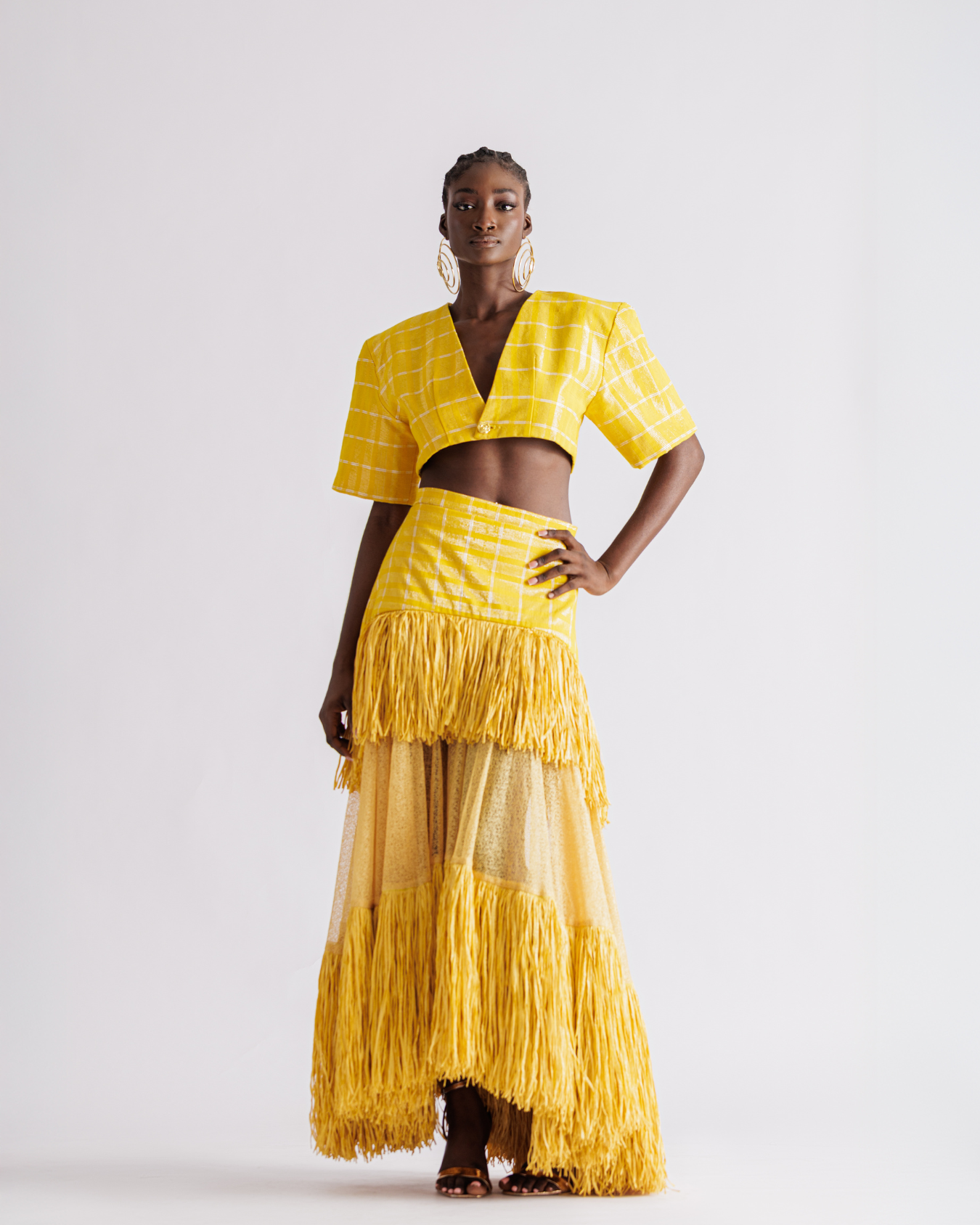
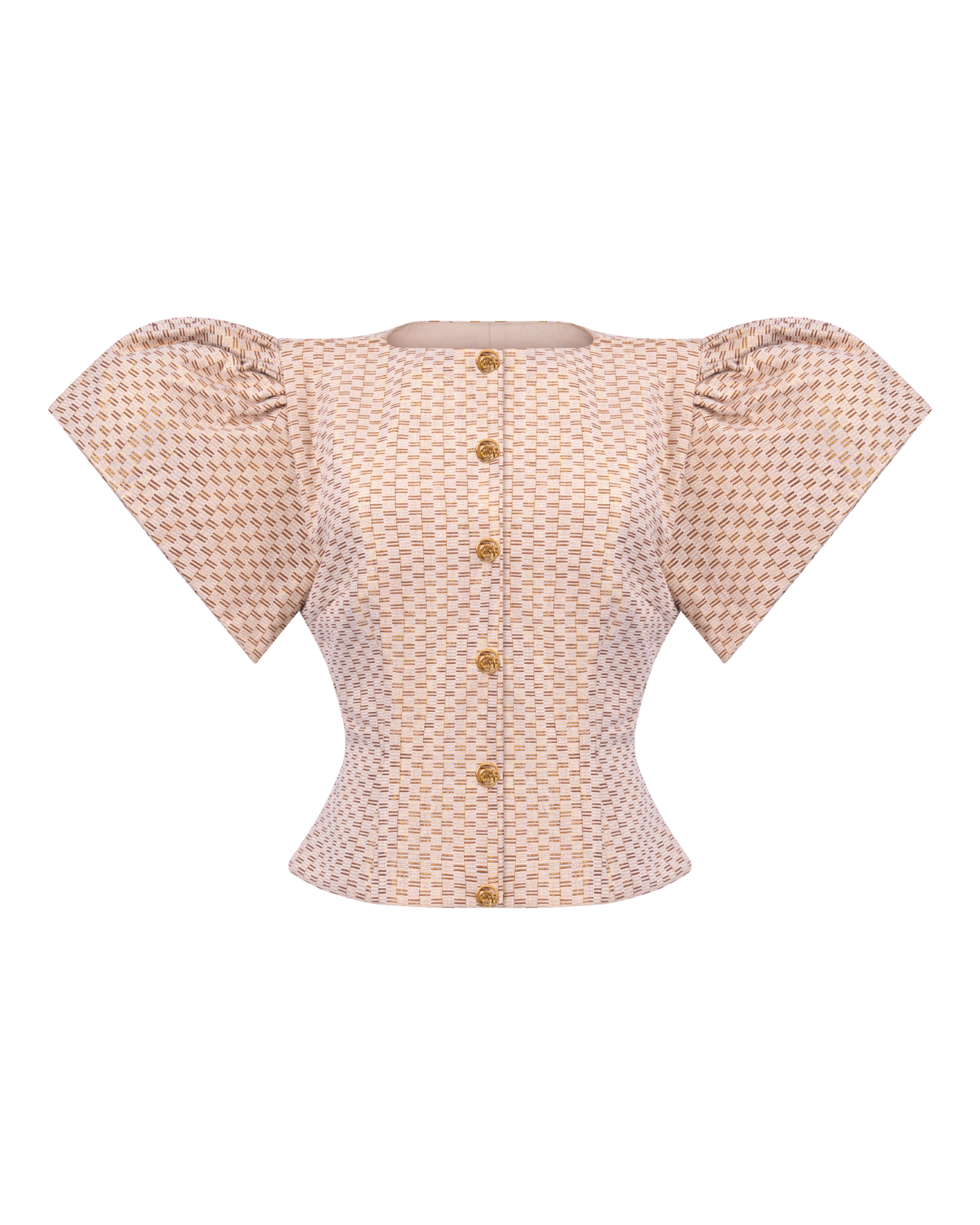
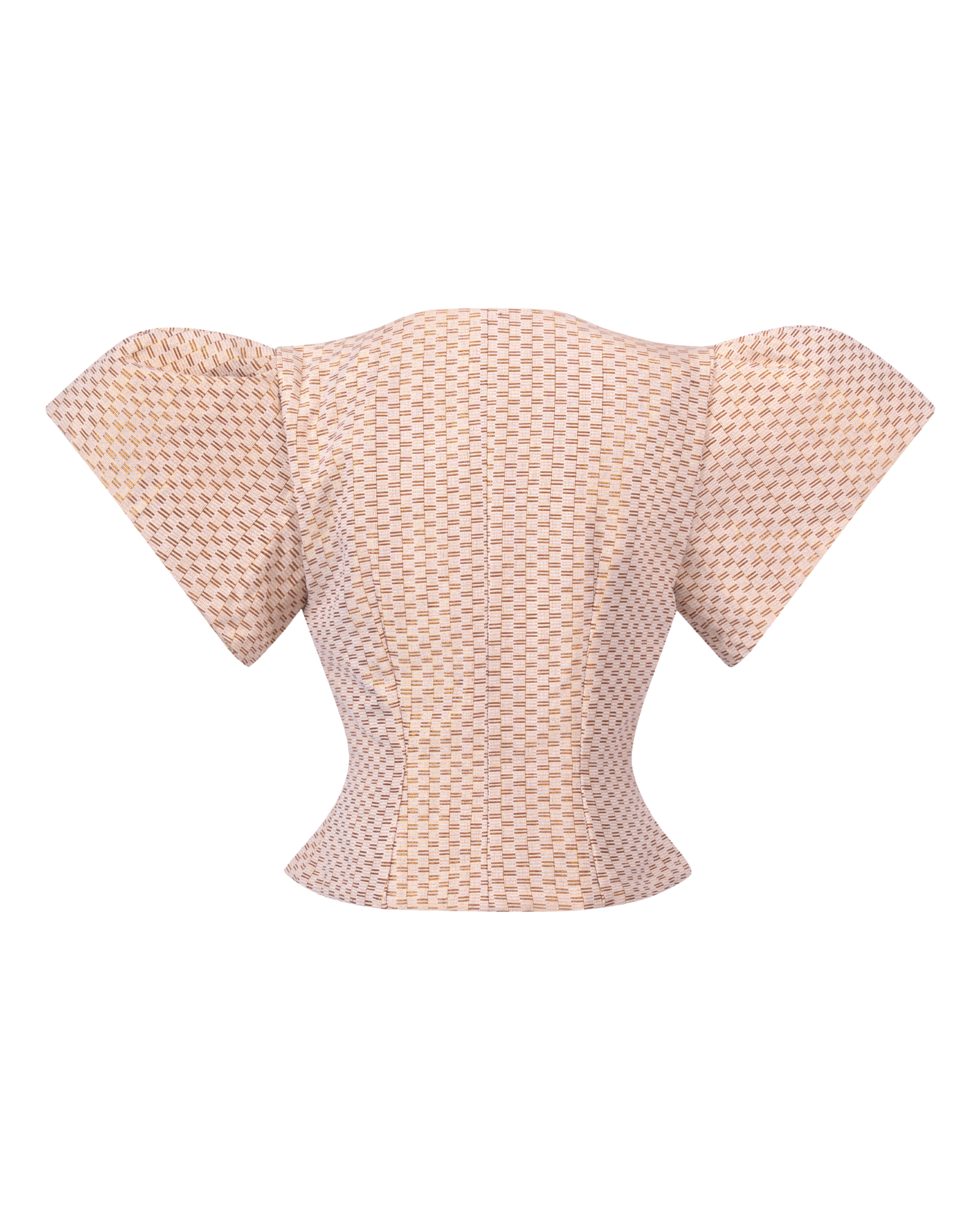
The Mimi Top with the Ogo Mini Skirt
Thousands of copper, bronze and sand glass beads above. Handwoven structure below. The summer pairing that photographs better than most dresses.


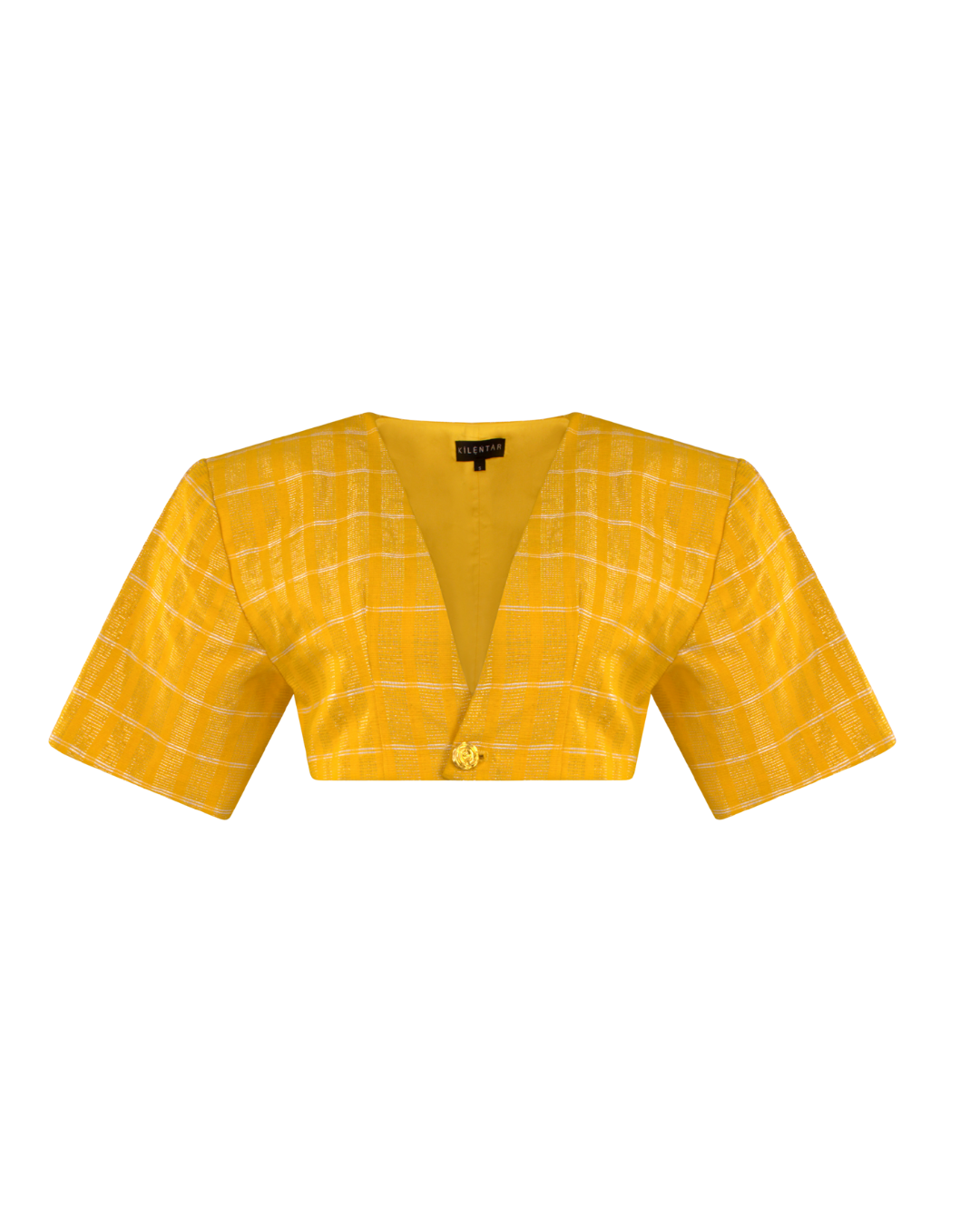
The Mimi Top is hand-beaded in a rhythmic ombré sequence of copper, bronze and sand glass and resin beads - creating a multi-dimensional shimmer that shifts with every movement you make. Deep V-neckline. Contemporary racerback. The kind of top that makes everything around it look like it planned to be there.
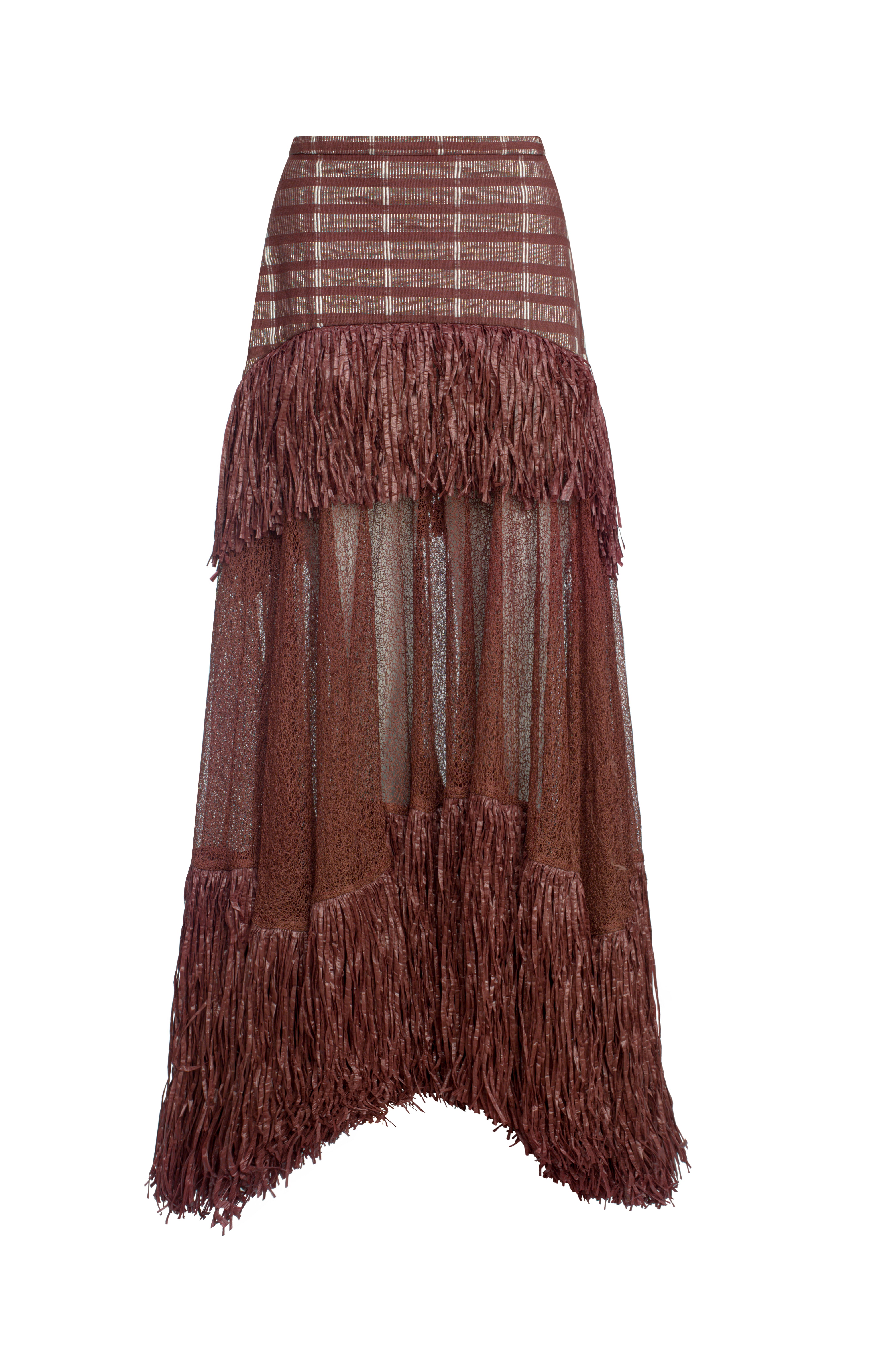
The Ogo Mini Skirt is handwoven, short, structured - with a weight and texture that grounds everything the beading does above it. Together they are the summer pairing that looks like two very good decisions made by one very confident person. Separately they are both still extraordinary. The combination, though, is the whole point.
This is Kílẹ̀ńtàr's USP in a single outfit: every bead placed by hand, every thread woven by a single artisan, every piece one of a kind. No algorithm picked this. A person made it.
02 · THE PROBLEM
"I want something I can wear to brunch, a shopping trip AND dinner — without going home to change."
This is the most common summer dressing problem and the one most dresses claim to solve and do not. 'Day to evening' on a label usually means acceptable at both but brilliant at neither. You end up changing anyway, or spending dinner slightly underdressed and pretending you do not notice.
The actual solution is a dress that shifts register with you rather than requiring you to shift around it. Fabric with enough presence to read as considered at dinner but not so heavy or formal that it feels wrong at noon.
THE ANSWER
The Minata Dress
Handwoven organic cotton. Midi length. The dress that simply does not have a wrong moment.

The Minata Striped Midi Dress is handwoven from organic cotton with subtle vertical dyed stripes that elongate the silhouette and create a sense of considered dressing without demanding a particular occasion. The tailored waist reads as put-together without feeling formal. The midi length and breathable cotton fabric handle heat without protest.
You put it on in the morning and stop thinking about what you are wearing. That is the whole point. And the whole point of buying handwoven: the fabric has integrity that polyester blend 'day-to-night' pieces never will. It moves better, breathes better, and looks better in every light.
03 · THE PROBLEM
"I wore it to one event, someone else was wearing it, and I never wanted to wear it again."
This happens constantly and nobody talks about it loudly enough. You spend real money on a dress and then someone else walks in wearing the same one. Not a lookalike. The same one. It is the inevitable cost of buying from labels that produce at scale — every piece identical, thousands of them, distributed across the same cities, worn to the same kinds of events by women with the same taste.
The only real solution is a dress that cannot be replicated. Not because it is limited edition. Because it was made by hand, using a process that produces variation between every single piece. No two identical. Nobody showing up in the same one because the same one does not exist.
THE ANSWER
The Kosi Dress
Silk with adire tie-dye placements. Hand-dyed in Nigeria. The only one like it in the room - structurally, not just by luck.

The Kosi Dress is made from silk with intricate adire tie-dye placements - a centuries-old Yoruba dyeing technique from Nigeria where sections of fabric are treated to resist the dye, producing patterns that cannot be perfectly repeated. The pattern on your Kosi Dress is not identical to any other Kosi Dress in existence. It comes with a long scarf for the neck. The blue and white deepen in warm light and shift at dusk in a way that silk adire has always done and always will.
This is not exclusivity as a marketing concept. This is exclusivity as a production reality. One artisan. One dye bath. One piece. The same-dress problem solved at the level of how the garment was made.
04 · THE PROBLEM
"I bought something for the garden party and it looked exactly like everything else on the lawn."
Garden weddings and outdoor summer events produce a very specific aesthetic problem. You arrive having made a genuine effort and find yourself in a field of women who also made a genuine effort — and somehow everyone is wearing variations on the same thing. Floral. Midi. Floaty. In four colours.
A dress that draws from a completely different material tradition — one where the fabric itself is the statement — solves this at root level. Nobody else at the garden party is wearing hand-dyed raffia fringe on deadstock lace. Because nobody else found it. Because not many were made.
THE ANSWER
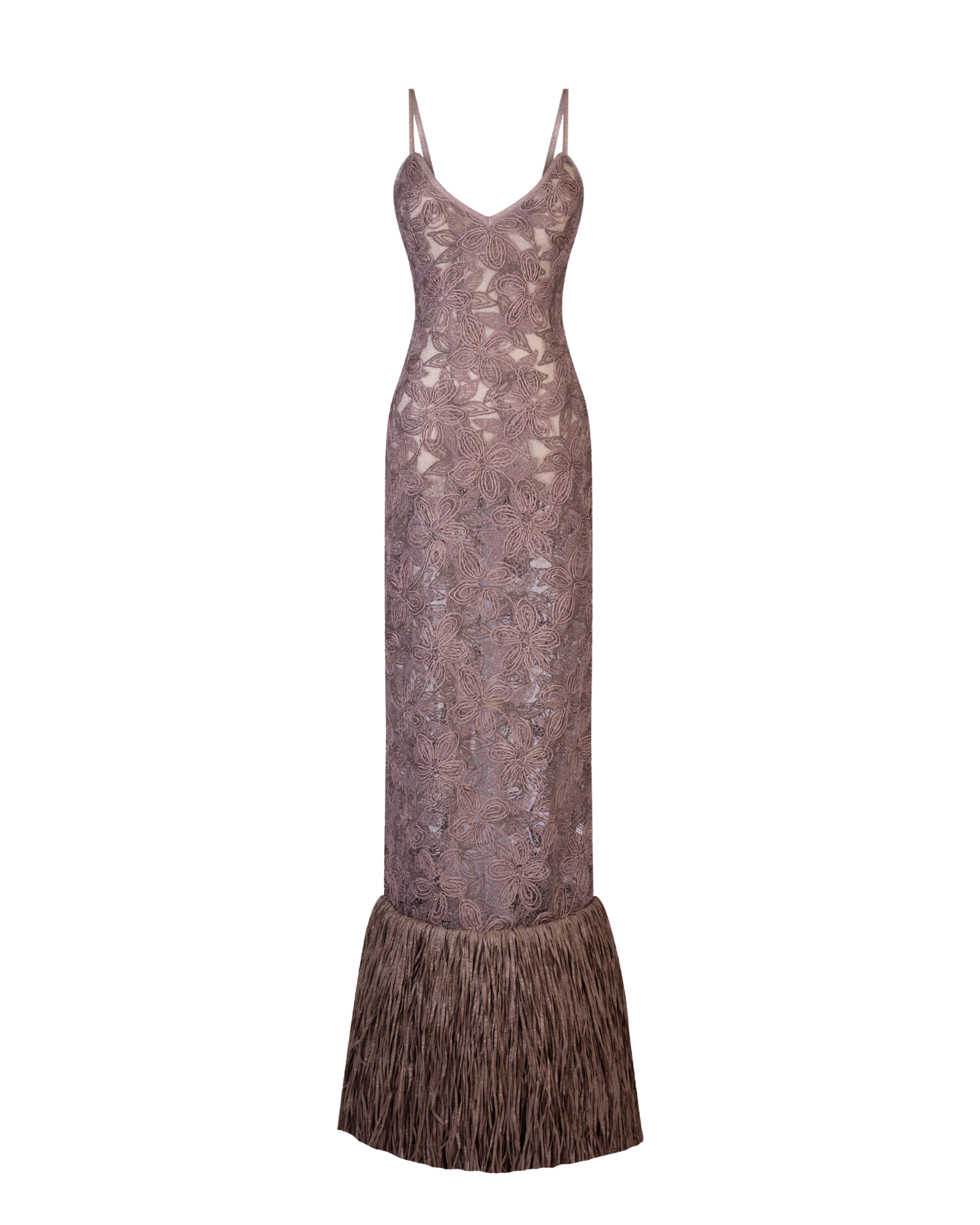
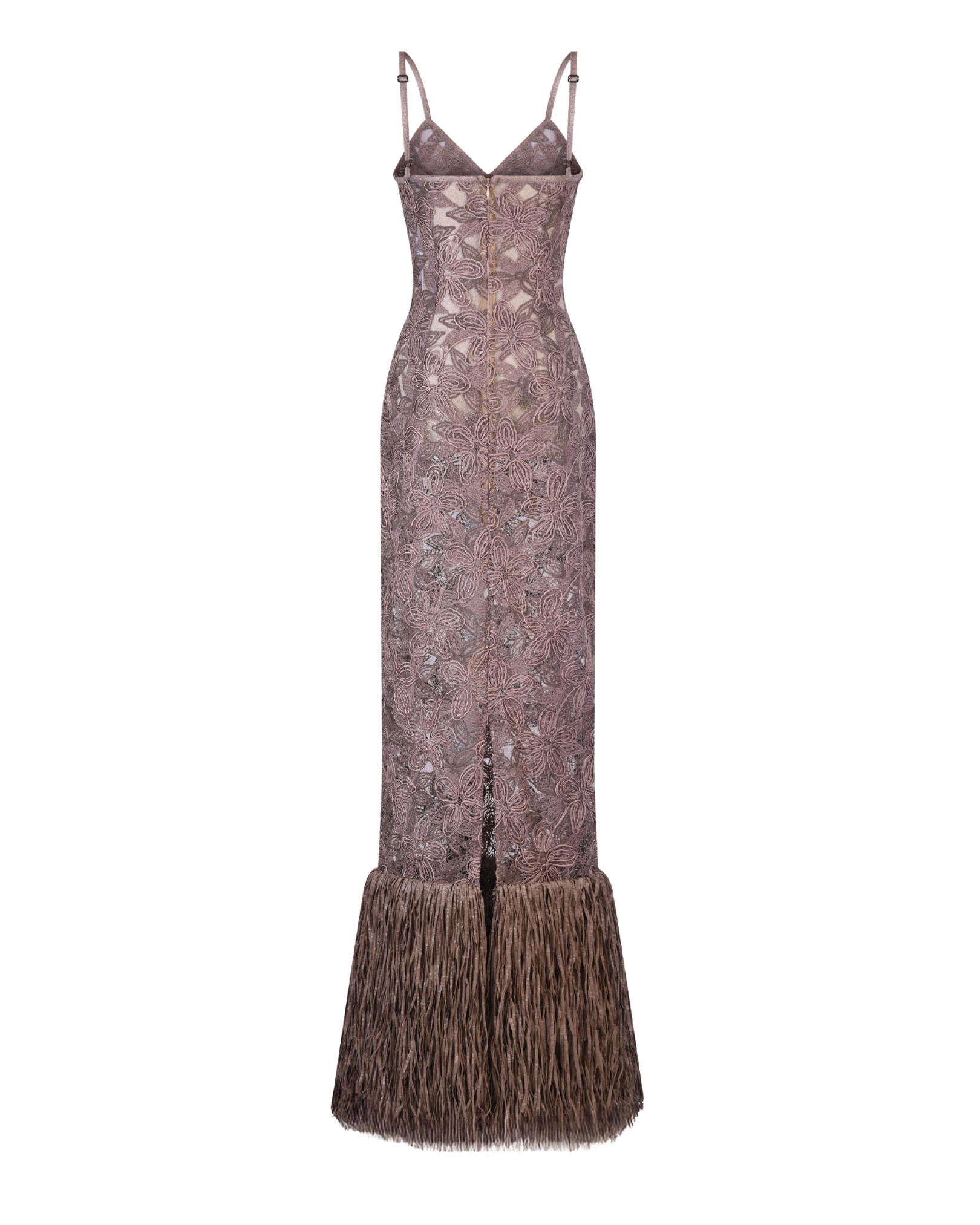
The Ruwe Dress
Deadstock lace. Hand-dyed raffia fringe in lilac. The garden party dress that answers the brief and then some.


The Ruwe Dress is made from deadstock lace — high-quality fabric given a second life rather than going to waste — with an elegant V-neckline, adjustable straps, and hand-dyed raffia fringe tassels at the hem. Raffia has been woven and used in ceremonies across West Africa for generations. Here it is layered in lilac at the hem, creating a fringe that moves with an organic, grounded quality in outdoor settings.
It photographs against grass and flowers the way it was always meant to. Nobody else is wearing it. That is by design. Available in regular and tall.
05 · THE PROBLEM
"The event was spectacular. The photographs are incredible. And I am wearing something I would not choose again."
This is the regret that arrives six months later when someone shares a photograph from a summer wedding or a celebration. The event was wonderful. You were present and happy. But looking at the photographs now, the dress was a compromise. You knew it at the time and wore it anyway.
The solution is buying the dress you will want to have worn, not the dress that was easiest to find in the month before the event. A piece that takes days to make looks different in photographs from a piece that took hours. The fabric has depth. The construction has intention. You can see it. So can everyone else.
THE ANSWER
The Gbere Dress
14 hours per shibori print. Made in layers. The dress that earns every photograph it appears in.


The Gbere Dress is made using the shibori dyeing technique — each layered print hand-threaded and hand-dyed, 14 hours of work per print, before the layers are sewn together in-house. Extreme fitted waist. Corseted body. Flared layered hem in hand-dyed cotton. Blue and white.
When you look at a photograph of the Gbere Dress, you are looking at the record of 14 hours of someone's work per print. That depth is visible. That is exactly why it photographs the way it photographs. This is not a dress you will wish you had worn differently. It is the dress you will point to.
14 hours per print. Before a single seam. That is what makes the Gbere look the way it looks in photographs. And feel the way it feels on the day.
06 · THE PROBLEM
"I want to walk in and for the room to know, before I have said a word, that tonight is mine."
This is not vanity. This is the legitimate desire to dress with full intention for a night that deserves it. A birthday dinner. A first proper holiday evening. The last night of a summer you want to remember. The event where you made a reservation three weeks in advance and you are going to wear something that justifies the anticipation.
There is a specific dress for this moment and it is not subtle. It is the dress that moves when you move and catches light when you do not. The dress that makes the question form in the person across the table before the menu has arrived.
THE ANSWER
The Mami Dress
Chiffon. Gold beadwork applied by hand. Orange tassel fringe. Inspired by mami wata — the water spirit of West and Central Africa. For the night that needs to be remembered.

The Mami Dress draws from mami wata — the water deity of West and Central African tradition, beautiful and powerful and impossible to look away from. The dress is soft chiffon in the deep shifting colours of water, with intricate gold beadwork applied by hand and orange tassel fringe at the hem that moves the way water moves.
Every bead placed by a single artisan. Every tassel hand-dyed. The cultural reference is not decorative — it is structural. Mami wata does not ask permission to take up space. Neither does this dress. Available in regular and tall.
WHY IT LASTS
One artisan. One piece. That is the whole difference.
Every piece in this edit was made by a single artisan. One person, one piece — from the first thread to the last bead. That is not a marketing line. It is the reason the fabric moves differently. The reason the beadwork sits the way it sits. The reason you are still thinking about it in 2028.
Fast fashion gives you a dress. Kílẹ̀ńtàr gives you the record of someone's time and skill — woven, dyed, beaded, sewn — into something you will reach for every summer for the next decade. That is the USP. Not just handcrafted. Handcrafted in a tradition that has been refining itself for centuries.
The dress that lasts a decade costs less per wear than the dress you throw away in September. Do the maths.
Frequently Asked Questions
What are the best summer dresses for women in 2026?
The best summer dresses are ones built to last more than a season. Kíléntár's summer edit spans handwoven cotton midis, silk adire maxis, hand-beaded co-ords and raffia fringe pieces — each made by a single artisan, each one of a kind. Available in sizes 8–22, shipping to the UK, US, Nigeria, UAE and 15+ countries.
What makes Kíléntár summer dresses different?
Every Kíléntár piece is handcrafted by a single artisan - the beadwork, weaving, dyeing and construction done by one pair of hands. No two pieces are identical. The fabrics include handwoven organic cotton, silk adire and deadstock lace. The construction is designed to last years, not seasons.
Are Kíléntár summer dresses available in plus sizes?
Yes. All pieces in the summer edit are available in sizes 8–22. The Ruwe Dress and Mami Dress are also available in regular and tall lengths. For help finding your fit, visit the size guide on kilentar.com.
Which Kíléntár dress is best for a summer wedding or garden party?
For a garden party, the Ruwe Dress - deadstock lace with hand-dyed raffia fringe in lilac - is the standout. For a more formal summer occasion, the Gbere Dress or Mami Dress both read as occasion pieces with genuine craft behind them.
What is adire fabric and why does it make every dress unique?
Adire is a centuries-old Yoruba resist-dyeing technique from Nigeria. Sections of fabric are treated to resist dye before submersion, creating patterns that cannot be perfectly repeated. The Kosi Dress uses silk adire - meaning every single piece is structurally one of a kind, not just marketed as such.
How do I care for handcrafted summer dresses?
Care varies by piece. The Mimi Top, Kosi Dress and Gbere Dress are dry clean only. The Minata Dress in handwoven organic cotton can be hand washed cold. Full care instructions are included with every order and listed on each product page at kilentar.com.
Do Kíléntár dresses hold up after multiple wears?
Yes — this is the point of handcrafted construction. Pieces made from handwoven cotton, silk adire and hand-beaded fabric are designed to improve with considered wear and correct care. The cost-per-wear over five years is significantly lower than fast fashion equivalents bought and discarded each season.
How far in advance should I order a Kíléntár summer dress?
Pieces are handcrafted - particularly beaded and shibori-dyed pieces which take 14+ hours to make. Check current lead times on kilentar.com or contactthe team directly for event-specific timelines.
Sick of summer dresses that fall apart, photograph badly or end up on everyone? This is the Kíléntár edit - handcrafted pieces that solve every summer dressing problem.
A NOTE ON SIZING
Every Kílẹ̀ńtàr piece is made for women in sizes UK 4–24 / US 0–20. Each product page at kilentar.com carries a detailed size guide. If you are unsure, our team is available to help you choose , we would rather spend five minutes getting it right than have you guessing on a day this significant.